
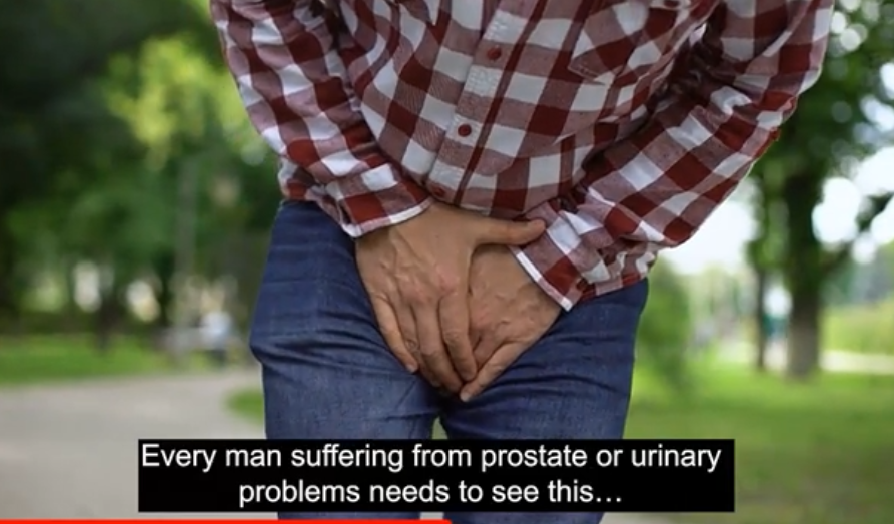
For many men, prostate problems begin with changes that are easy to brush off.
You may find yourself getting up more often during the night, spending longer in the bathroom, noticing a weaker urine stream, or feeling like your bladder simply isn’t emptying the way it used to.
These symptoms can become frustrating enough to affect sleep, travel, daily routines, and confidence.
But the usual conversation around an enlarged prostate often focuses on the symptoms themselves.
The presentation you’re about to see explores a different question:
What if there is another process taking place inside the prostate that deserves a closer look?
A Different Way to Look at Prostate Buildup
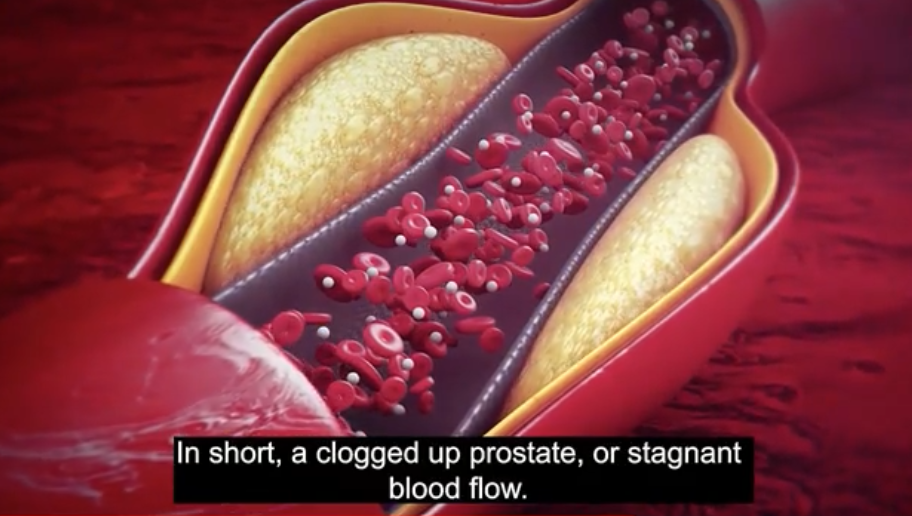
The presentation introduces the idea of a hidden buildup inside the prostate and connects it with changes in circulation and the way the prostate handles cellular waste.
According to the presentation, when this process continues, the resulting buildup may contribute to the prostate becoming enlarged and putting pressure around the urinary system.
It then explores whether addressing this underlying process could offer a different way of thinking about prostate health.
And this is where the story gets particularly interesting.
What the Full Presentation Digs Into
The presentation goes deeper into:
- Why the presenter believes prostate enlargement may involve more than simply getting older
- The proposed connection between circulation, cellular buildup, and prostate health
- What certain environmental factors are claimed to have to do with this process
- The unusual mineral from spring water that becomes an important part of the explanation
- How the presenter says several natural components are combined into a morning drink
The complete explanation also includes the story that led the presenter to investigate this approach and the experiences of men who tried it.
Follow the Clue
If you’re curious about what the “prostate clog” described in the presentation actually refers to — and why a particular spring-water mineral becomes such an important clue — the full presentation explains the theory in much more detail.