When we think about high blood pressure, we almost always picture the heart. We imagine a pump working overtime, forcing blood through clogged or hardened plumbing. For decades, traditional medicine has focused heavily on this mechanical view—prescribing medications designed to artificially slow down the heart or force the blood vessels to dilate.
But what if the real culprit isn’t your heart at all?
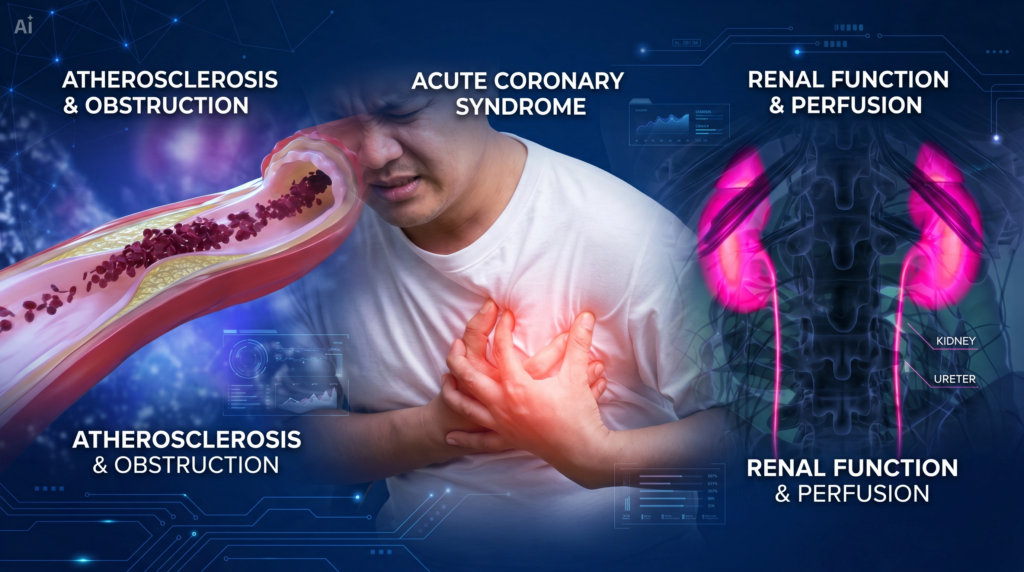
Recent breakthrough research from the University of Virginia has flipped our understanding of hypertension completely on its head. It turns out, the master control switch for your blood pressure isn’t situated in your chest. It’s actually tucked away inside the microscopic cells of your kidneys.
The Hidden Sensor in Your Kidneys
Your body relies on an intricate, constant internal dialogue to keep you alive. To regulate how hard your blood pumps, your system utilizes specialized pressure sensors called baroreceptors. While we’ve known about sensors in the major arteries for a long time, researchers discovered that your kidneys house their own highly sensitive feedback loops.
Under normal circumstances, the communication works seamlessly:
- The Sensor Activating: The kidney’s internal sensors constantly monitor the flow and pressure of your blood.
- The Chemical Messenger: If the pressure dips too low, the kidneys secrete a specialized hormone called Renin.
- The Command: Renin acts as a direct line of communication to the heart, instructing it exactly how much force is needed to push blood effectively throughout the body.
When this line of communication is clear, your blood pressure naturally stabilizes. But when something goes wrong with this vital loop, it triggers a dangerous, self-repeating cycle.
The “Broken Telephone” Effect
Imagine playing a game of telephone where the wire is fraying and the message gets completely garbled. That is exactly what happens in chronic hypertension.
When kidney signaling becomes disrupted, the line of communication between your kidneys and your heart snaps. Even if your blood pressure is dangerously high, the broken signaling prevents the kidneys from telling the heart to relax.
Because the heart never receives the signal to slow down, it operates under the false assumption that your blood pressure is actually too low. In response, the heart pumps even harder. This artificial surge forces your blood pressure to skyrocket, which in turn inflicts structural damage on the delicate filters of your kidneys. This damage further impairs their signaling capability, trapping you in a downward spiral.
The heart has no idea the pressure is already too high, and the kidneys are shouting commands into the void.
Red Flags: Is Your Kidney Signaling Disrupted?
Because hypertension is often dubbed the “silent killer,” millions of people live with broken internal communication networks without ever realizing it. The body does, however, leave subtle clues.
If your blood pressure readings routinely crack the 120/80 threshold, your internal signaling is already facing strain. Pay close attention if you regularly experience a combination of these everyday symptoms:
- Unexplained Fatigue: Feeling chronically drained or running out of energy halfway through the day.
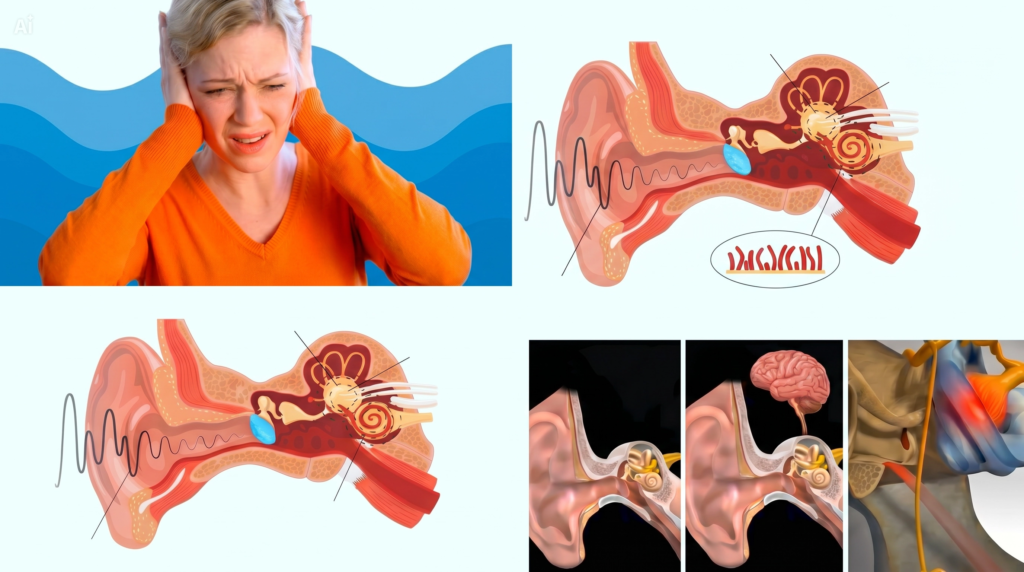
- Physical Discomfort: Frequent headaches, a persistent ringing in your ears, or a general sense of bodily unease.
- Cardiovascular Stress: Occasional irregular heartbeats or finding yourself strangely short of breath during routine activities.
- Disrupted Rest: An inability to fall asleep or stay asleep as your body fails to down-regulate at night.
Ignoring these warnings allows the internal miscommunication to quietly wear down your vascular health day by day.
Fixing the Root Cause, Naturally
Forcing your blood pressure down with aggressive synthetic chemicals can sometimes manage the symptoms, but it rarely mends the underlying “broken telephone” line between your organs. True, lasting balance requires addressing the cellular health of the kidneys and restoring the integrity of their natural hormonal pathways.
The good news? Nature has already designed the perfect blueprint.
Scientists and researchers are increasingly looking toward specific, time-tested natural botanicals that work in harmony with human biology. Unlike synthetic alternatives that over-correct and shock the system, these scientifically validated organic compounds gently nourish kidney tissues, support healthy renin responses, and clear the biological pathways so your organs can finally talk to each other clearly again.
Ready to discover the exact blend of natural ingredients keeping blood pressure perfectly balanced at the source?