
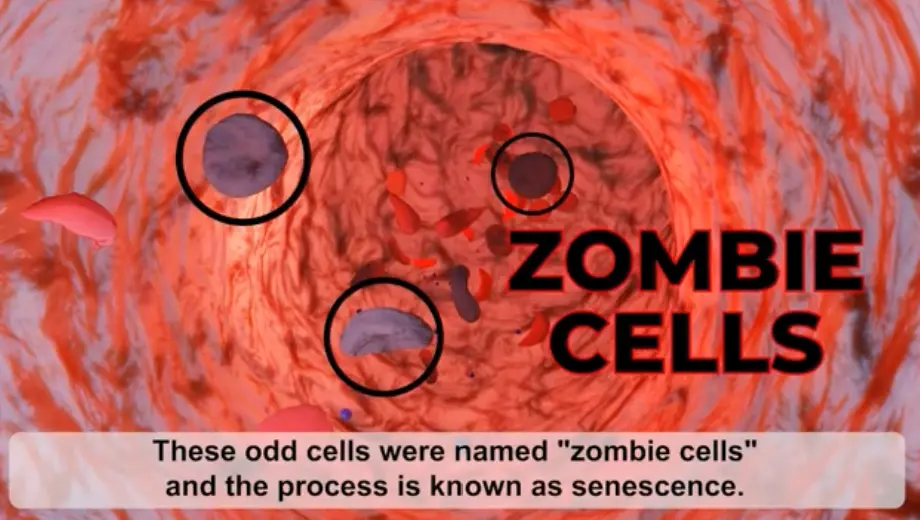
Type 2 diabetes raises important questions about insulin production, blood glucose regulation, and the long-term health of the pancreas. While these topics are often discussed in terms of diet, lifestyle, and medical management, a presentation about a supplement called GlucoTonic explores a different proposed explanation.
The speaker focuses on what the presentation calls “zombie cells”—a term used in its discussion of cells that remain in the body after they stop dividing normally. The theory presented suggests that these cells may interfere with pancreatic function and that the immune system could play a role in addressing them.
This leads to a broader discussion about cellular health, natural ingredients, and the relationship between immune activity and blood sugar. The claims that this approach can reverse diabetes remain claims made in the presentation, not proof of a cure.
The Cellular Theory Behind the Presentation
One of the central ideas is the proposed relationship between abnormal or aging cells and pancreatic function. The speaker describes natural killer cells, a component of the immune system, and discusses whether supporting immune activity could help the body deal with these cells.
The presentation then introduces a combination of botanical ingredients as part of its proposed approach. This is the central concept behind the explanation, rather than a clearly identified enzyme as suggested by the headline.
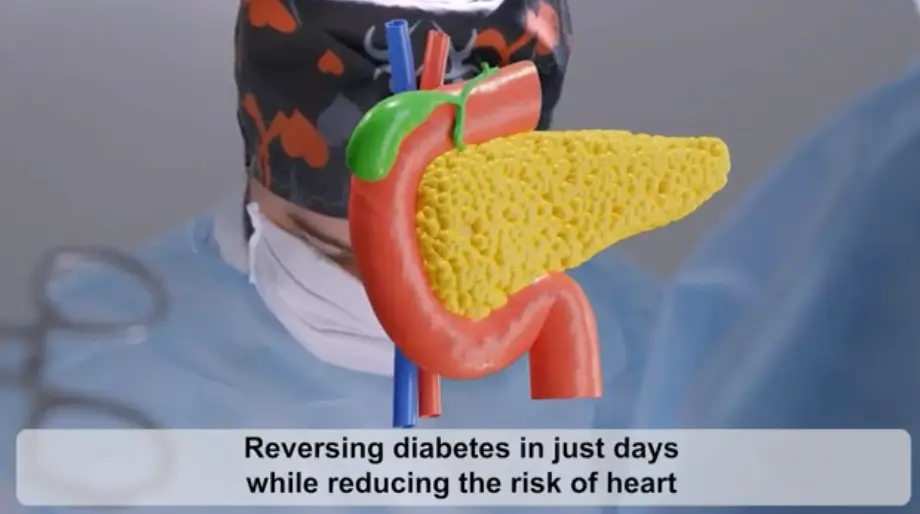
What the Full Presentation Explores
- The “zombie cell” theory and the proposed connection to insulin production.
- How natural killer cells feature in the speaker’s explanation.
- The role of selected botanical ingredients in the GlucoTonic formula.
- The personal stories and results claimed by the presenter.
- How the proposed supplement approach is described and intended to be used.
Explore the Full Explanation
The complete presentation develops this theory in greater detail, explains the proposed formula, and presents the speaker’s reasoning and supporting stories.