THE QUESTION CONTINUES
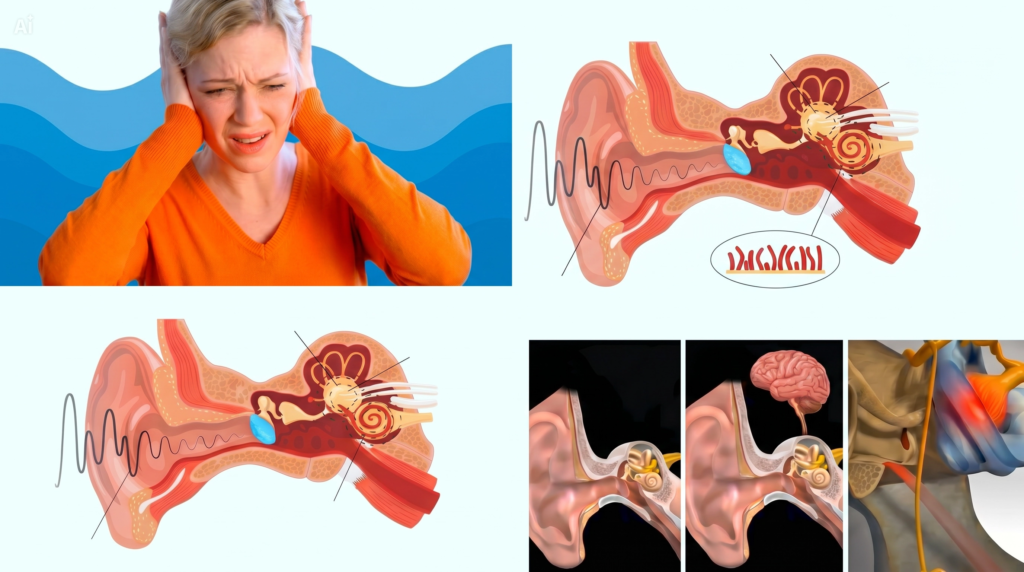
Ringing in the ears can feel unpredictable. For some, it fades. For others, it stays. Many approaches focus only on the ear itself. But in some cases, that may not explain the full picture. This presentation explores a different perspective— including how internal signal processing may play a role in how sound is experienced.
▶️ WATCH THE FULL PRESENTATION
THE IDEA BEHIND THIS PRESENTATION
Tinnitus may involve more than the ear
Internal signal processing may influence perception
Repeated patterns can shape how sound is experienced
WHAT YOU’LL EXPLORE
What tinnitus is and how it varies
Why ringing may persist in some cases
The role of internal signal patterns
How perception influences experience
Brain vs ear perspective
Ideas related to awareness and response
If you’d like to take a closer look at the approach discussed in the presentation, you can explore more information on the next page.
ADDITIONAL RESOURCES & BACKGROUND RESEARCH
Understanding persistent ringing in the ears often involves more than focusing on the ear alone. Research and discussion around tinnitus increasingly explore how the brain processes sound and how internal patterns may influence long-term perception. The following areas provide helpful background for the ideas introduced in this presentation.
1. Tinnitus and Auditory Perception
Tinnitus is commonly described as the perception of sound without an external source. It may present as ringing, buzzing, or hissing, and can vary widely between individuals. While it is often associated with changes in the ear, many cases also involve how the brain interprets and responds to auditory signals. This helps explain why similar physical conditions can lead to very different experiences.
2. Brain Signal Processing and Neural Activity
The brain continuously processes incoming sensory information, including sound. In some cases, patterns of neural activity may continue even when no external sound is present. This ongoing activity can influence how tinnitus is experienced. Rather than being a single-point issue, it may involve networks in the brain responsible for attention, interpretation, and response.
3. Attention, Awareness, and Sound Perception
Cognitive science shows that attention plays a major role in perception. Sounds that are given more focus may feel more noticeable or persistent. Over time, repeated attention to certain signals may reinforce how they are experienced. This is one reason why some approaches emphasize shifting awareness rather than focusing solely on eliminating the sound.
4. Neural Patterns and Habituation
The brain has the ability to adapt to repeated stimuli through a process often referred to as habituation. In some situations, individuals may become less aware of certain sounds over time. However, when attention and emotional responses remain engaged, patterns may become reinforced instead. This highlights the role of internal responses in shaping perception.
5. Broader Perspectives on Tinnitus Management
Different approaches to tinnitus may include medical evaluation, sound-based strategies, and techniques that focus on attention or perception. While results vary, many perspectives recognize that both physical and neurological factors can contribute to the experience. This has led to growing interest in approaches that consider the interaction between the ear and the brain.