
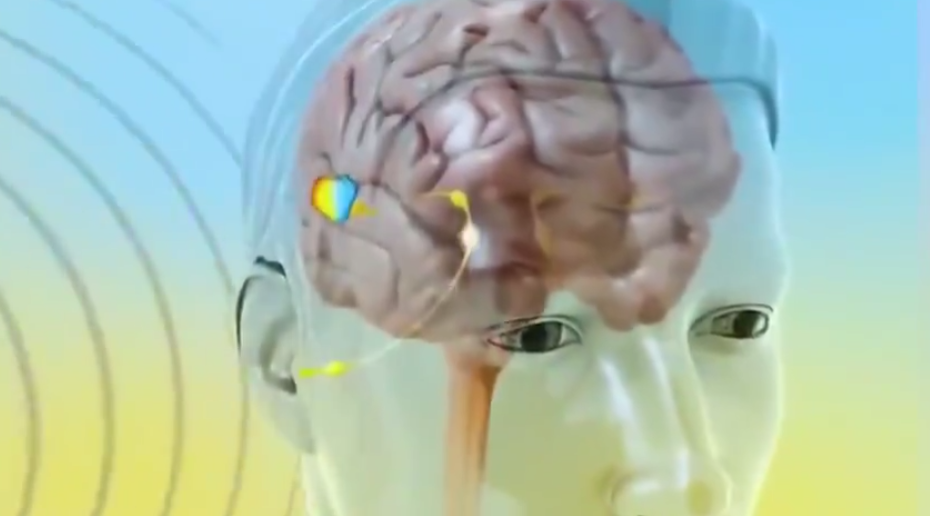
Ear ringing, buzzing, hissing, or pulsing can be especially confusing when routine examinations do not seem to explain where the sound is coming from. The presentation behind this topic explores a different way of looking at tinnitus — one that focuses on how sound information travels between the inner ear and the brain.
One particularly unusual part of the story involves an older medical experiment involving people who had their auditory nerves surgically cut. According to the presentation, the tinnitus did not simply disappear after they lost their hearing. That observation becomes an important clue in the explanation that follows: perhaps the source of the perceived sound involves more than the ear itself.
The Ear-Brain Connection Raises a Different Question
The presentation goes deeper into the idea that sounds are ultimately interpreted by the brain after electrical signals travel along a delicate nerve pathway from the ear. It proposes that problems somewhere along this communication pathway could potentially affect how those signals are interpreted, creating sensations such as ringing, buzzing, clicking, or hissing.
That perspective changes the question from simply asking, “What’s wrong with my ears?” to considering what may be happening along the communication pathway between the ear and brain.
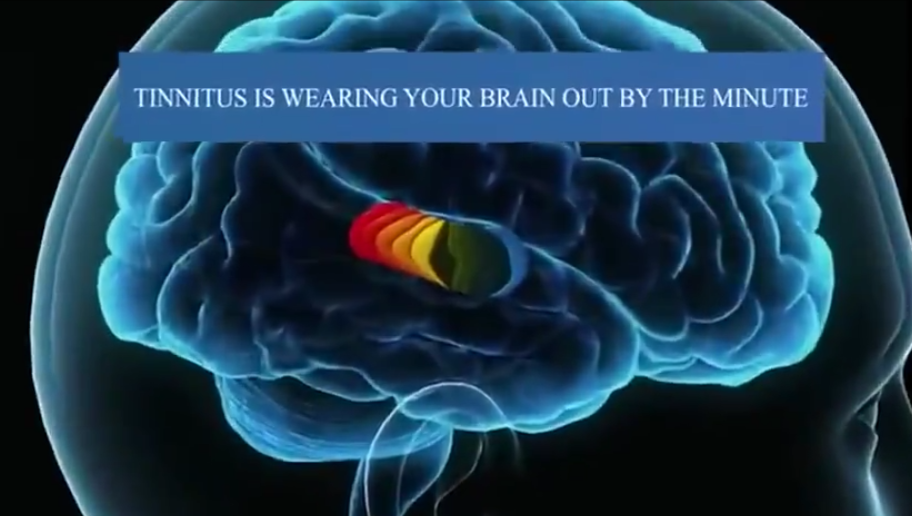
What the Full Presentation Explores
- Why tinnitus may be discussed in terms of the ear-brain communication pathway
- The unusual experiment that forms part of the presentation’s central explanation
- How the proposed “faulty wire” theory is used to explain different tinnitus sounds
- The approach the presentation introduces for supporting this pathway and the nervous system
- The full explanation behind the method presented later in the VSL
A Closer Look at the Full Explanation
The presentation goes well beyond the initial theory and eventually explains the approach it proposes for addressing the underlying problem.